The Eldest Daughter. . . ?
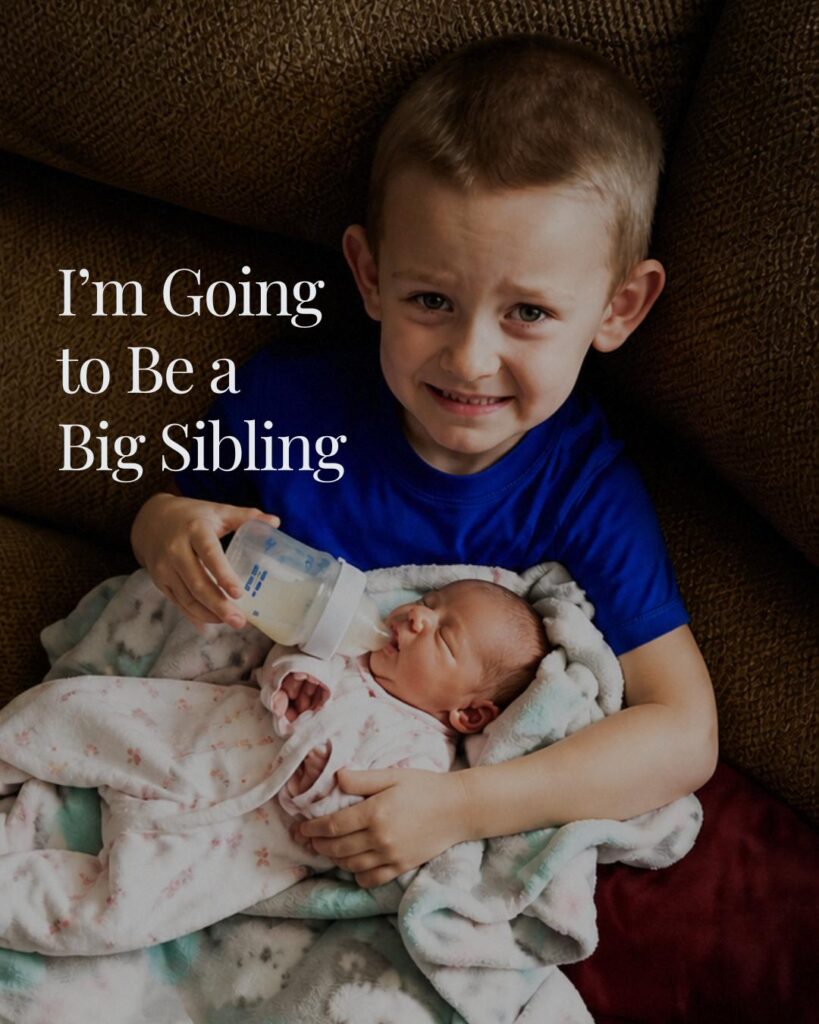
I like to think Taylor Swift and I have a lot in common, but today I am focusing on a similarity many can relate to: the stress of being the eldest child, which begins the moment a baby sibling enters the picture.
A recent study in JAMA Pediatrics compared developmental differences between first and secondborn siblings in the same home. The authors concluded that firstborn children had a slight developmental edge at age six months, some of which declined by age twelve months. This was attributed to a presumed dilution of parental attention — parents focus solely on their first child until the second one comes along, and then, naturally, attention is diluted between two children. The eventual narrowing of the gap is attributed to the firstborn sibling interacting with and teaching the younger sibling.
There are many studies revealing differences related to birth order, including some cognitive and height advantages in those born earlier. Meanwhile, later-born siblings have a greater likelihood of being hospitalized for infections (likely from exposure to the firstborn’s germs!). When it comes to mental and physical health, firstborns have the edge in some areas while later-borns fare better in others.
While these studies are interesting and academic, they are unlikely to inspire any actionable changes in practice or any new songs, for that matter. Nevertheless, parents tend to worry about the stress and disruption a new baby sibling may cause the older child. The older sibling(s) suddenly have to share their resources without completely understanding why or how.
When parents ask me about bringing home a baby sibling, I give the following advice:
Make special time, or child-led play, for your older child. If you take one thing away from this article, it’s this: kids don’t want your time — they want your attention. For ten minutes a day, let your older child know that you are giving them your full attention. No phones, no baby, no distractions. The child gets to make the rules, while the parent follows the rules and makes occasional, neutral observations. Looks like you are choosing orange for the tree. Or I see. . . The dog needs to be next to the bunny. This special time is a screen-free time, and it is harder (sadly!) than it sounds. If two parents are available, you can divide and have parents alternate days. For more children, do what works– maybe each child gets special time twice a week.
Have activities planned specifically for times you need to tend to the baby. Maybe there is a specific bin of toys that comes out only when you need to feed the baby, or this is the twenty minutes your child watches a show.
If you are receiving baby gifts, tell your toddler(s) the gifts are for them. Older siblings may be jealous of the attention and gifts given to the baby. As much as we want children to share and be happy that the baby is receiving gifts, I think it is ok to just say, “Look at this! You are a big brother and you get to play with these new books (or toys).” If the gifts are clothes, say something like, “Hmmm, these look too small for you but maybe you can give them to your baby brother?” Toddlers love to give presents to their baby siblings.
Don’t blame the baby. If you are having an adventure with your older child(ren), don’t say you have to get home because you have to feed the baby or the baby needs you. Say something like, “I think your baby misses you. Let’s go see her!” or simply This has been so fun! Time to go home now. This can be our five-minute reminder.”
Engage your older child(ren) with baby-related and household activities. Kids are naturally driven to help. Give them responsibilities to engage them in baby-rearing and household management — grabbing wipes, helping with dinner, and cleaning up — so they feel like valued members of the team.
Bottom Line. You can’t control birth order, but you can make the transition easier for everyone. Give your older children special time, introduce novel activities around the baby’s arrival, let big sibs have the baby gifts, choose words that refrain from making the baby seem like the party-pooper, and make older children part of the team that helps run your family.
Thank you for reading my human-generated articles! If you found this helpful or educational, please share, follow on your preferred platform, or subscribe below. For coaching or consultations, please contact me at www.DrAngel.com.
For more perspective on what it takes to have and raise a thriving little human, check out my show, The Unplanned Parent, on Apple, Spotify, YouTube, or wherever you listen to podcasts.
References:
Tsuchida A, Matsumura K, Kasamatsu H, et al. Birth Order Differences in First-Year Neurodevelopment. JAMA Netw Open. 2026;9(3):e261265. doi:10.1001/jamanetworkopen.2026.1265