From Funcle To Father: The Second Installation
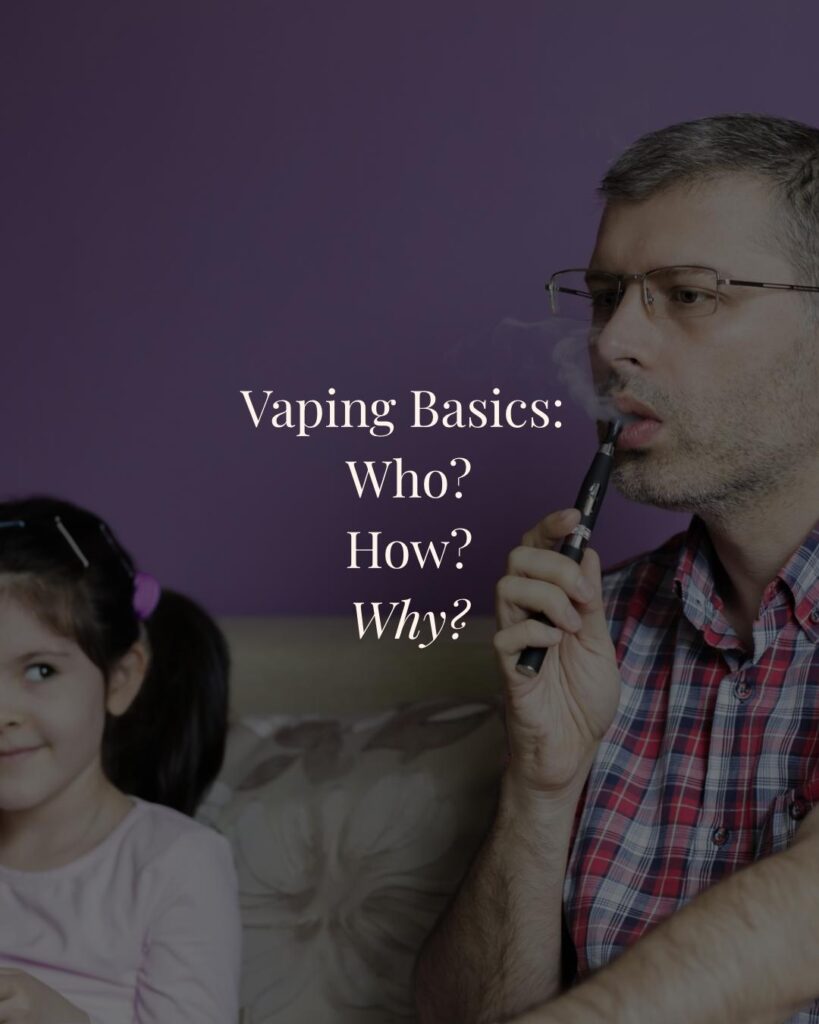
“Did you know vaping can mess with your sperm?”
My brother, Raman, talked of quitting his vape habit for years, but it was only when he decided to become a father that he put in the work. The average male may not think about sperm health, but if you are going to a clinic to provide your seed, you might.
Last week, I wrote about Ashley and one of the lifestyle changes she made when planning to become pregnant during her non-traditional journey toward parenthood with her longtime friend, my brother. Just as she was bringing her healthiest self to the table, Raman started thinking about improving his own health. Of course, the nudge came from Ashley’s fertility doctor. She mentioned that vaping may be affecting the sperm quality in undetectable ways, but since sperm only lives about 2.5 months, Raman could quit vaping and give a fresh, exposure-free sample.
This week, I share some vaping facts for parents and future parents, like my brother. For the purposes of this article, I will use “vaping” to include all forms of inhaled nicotine delivery systems.
The Perfect Vice
Vaping is too easy: you can’t see it, it doesn’t smell horrible, and society does not shun it the way it once did smoking. Most people start vaping not to quit smoking, but to engage in a mind-altering, peer-driven experience. In fact, as reflected in my own practice, most teens start vaping because a friend offers it and continue to vape because they feel anxious, stressed, or depressed. Ironically, vaping will propagate this by making you feel anxious as soon as your body starts withdrawing from the nicotine. Of my teen patients who vaped, nearly all of them easily hid it from their parents. Some of these teens even got up to vape in the middle of the night, and it was the first thing they did when they woke up. This is Raman’s favorite part of quitting: he no longer has morning anxiety about vaping.
Considered the better alternative to smoking, vaping exposes the user to hundreds of toxic chemicals, including the fluid, flavorings, and vapor. In animal studies, exposure to the flavoring chemicals, even without the nicotine, resulted in oxidative damage, abnormal sperm, and smaller testicles. Similarly, chemicals in the vapor affected sperm motility and were associated with lower IVF success rates. Preconception guidelines (for men and women) include quitting smoking.
Vaping is Common
A 2022 survey found approximately 20 percent of adults use some form of tobacco. According to the National Youth Tobacco Survey, in 2024, approximately 10 percent of high school students (some sources quoted upwards of 25 percent) and 5 percent of middle schoolers were using tobacco, with electronic devices being the most common form. Newer devices provide faster, and hence more addictive, nicotine into the lungs, bloodstream, and brain. Today’s youth are tomorrow’s customers, so naturally the flavors and colors target tweens and teens.
Quitting is Hard But Not Impossible
Most smokers/vapers want to quit, but quitting is hard. There are proven smoking cessation programs after which vaping cessation strategies are modeled. Evidence-based programs and medications exist to help adults and teens quit. Basics include setting a quit date, noting how much vaping is costing you, deciding why you are quitting, and understanding why and when you vape.
My brother did none of those things. For him, this is what worked:
- ChatGPT. An unexpected guide and support for Raman was ChatGPT. It was a non-judgmental ear and always available.
- Baby steps. Raman took small, achievable steps. Reaching one small goal gave him the momentum to set another one.
- Create barriers. Raman dismantled his vape device. To use it, he would have to put it back together. Eventually, he was able to dispose of it completely,
- Support. Find people who are trying to quit also, whether friends, online groups, or a podcaster sharing tips. For Raman, podcasters sharing their stories helped.
- Nicorette gum. Raman started chewing Nicorette as he took his baby steps toward quitting. Afterward, he weaned from 10 or more pieces a day down to regular gum.
Prevention is the Best Medicine
Educate yourself and your kids. Most kids start vaping because a friend is vaping. It’s classic peer pressure, and their developing brains are more sensitive to nicotine’s addictive properties. Talk to your kids about smoking and vaping and how companies target youth. Like so many important subjects, have the conversations early. An elementary school-aged child still wants to learn from you and will understand the concepts of addiction and advertising.
Breathing Easier
Now that Raman does not have to plan his mornings, days, or vacations around when he can vape and whether he has all his equipment, he is breathing easier. Ashley never pressured him to quit, but she affectionately notes that after a conversation, “…he immediately went to a box that had over $700 in vape equipment and juice in it, and he threw it down the trash chute. At that point, I knew he was officially done. I know it was very difficult for him, but I am super proud and thankful that he was able to do it.”
And in case you were wondering, after quitting, he provided a second sperm sample to the fertility clinic, and the quality was better than the first. It worked!
Thank you for reading and sharing my human-generated articles! For health, wellness, and parent coachingby a doctor, please contact me at www.DrAngel.com.
Coming Soon: From Funcle To Father: The Third Installation. In coming weeks, I will continue with more updates on my brother and Ashley’s journey, from their legal agreements to sperm donations to fertility clinic visits. Please note that Raman and Ashley gave both their permission and input on these articles.
References:
Osterman, Michelle J K et al. “Births: Final Data for 2022.” National vital statistics reports : from the Centers for Disease Control and Prevention, National Center for Health Statistics, National Vital Statistics System vol. 73,2 (2024): 1-56.
https://www.cdc.gov/tobacco/media/pdfs/2024/09/cdc-osh-ncis-data-report-508.pdf
https://www.cdc.gov/mmwr/volumes/71/ss/ss7105a1.htm?s_cid=ss7105a1_w
https://www.cdc.gov/tobacco/e-cigarettes/index.html
Montjean, Debbie et al. “An Overview of E-Cigarette Impact on Reproductive Health.” Life (Basel, Switzerland) vol. 13,3 827. 18 Mar. 2023, doi:10.3390/life13030827
https://smokefree.gov/build-your-quit-plan
https://www.cdc.gov/tobacco/e-cigarettes/quitting.html
Rose, Jason J et al. “Cardiopulmonary Impact of Electronic Cigarettes and Vaping Products: A Scientific Statement From the American Heart Association.” Circulation vol. 148,8 (2023): 703-728. doi:10.1161/CIR.0000000000001160