Babies, Kids and You Need Iron- Here is How You Get It
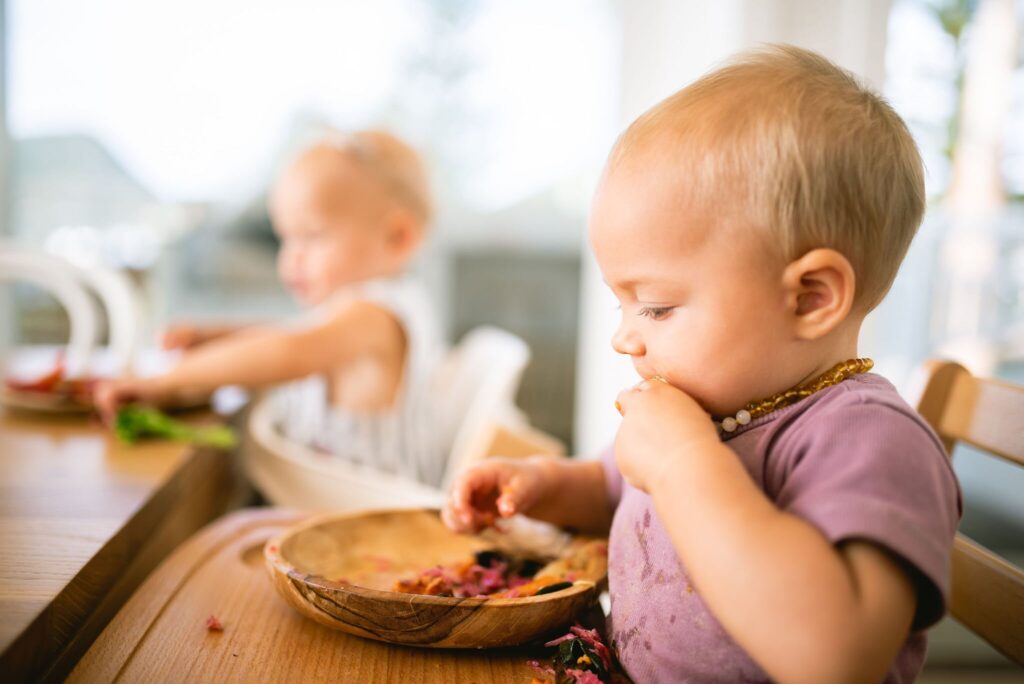
Two key points for today’s post: 1) Iron is crucial for babies and toddlers, particularly in their early development, even if deficiency signs don’t appear until later childhood, and 2) It is possible to get sufficient iron without eating meat, though it may require more thought and effort.
As with many nutrients, iron is essential in the healthy growth and development of infants and children. Iron deficiency is associated with poor developmental outcomes, even years after infancy. Low iron stores have also been implicated in sleep problems in children and restless leg syndrome in adults. Treating or preventing iron deficiency may also benefit kids with ADHD or other those with other developmental symptoms.
Pediatricians typically screen for iron deficiency around 9-12 months, which serves as a helpful gauge for parents.
Babies receive iron from their mothers in the third trimester of gestation. These stores run out at around 4-6 months, making it essential for babies to receive iron-rich foods by 6 months of life. This is why iron-fortified cereals are a popular first food. However, I advocate for feeding children naturally occurring iron-rich foods instead of relying on fortified options.
Below is a list of naturally occurring iron-rich alternatives for your consideration.
Meats. Yes, I am a vegetarian, but I fully endorse meat sources of iron when it comes to infants. In fact, the iron in meat, known as heme-iron, is easier for the body to absorb and utilize. In some cultures, foods like lamb are a first food because red meats are an extremely good source of iron. Meats also contain fat and zinc, two additional essential nutrients for infants, particularly those born prematurely.
Since I am vegetarian, I asked my brilliant colleague, Dr. Hope Scott, for some tips on meat preparation. She recommends baking or grilling poultry, such as chicken, and cutting it into small pieces (note: for poultry, it is best to cook thoroughly to an internal temperature of 175 degrees to avoid food poisoning. For infants just starting out on solids, you can cook and then puree your meat. As they progress to finger foods, anything that can be gently mashed between a thumb and index finger should be manageable for a baby to chew with their gums. You can also cook a ground beef or ground turkey patty on the stove top. If you make your own ground beef or turkey, you can sneak in some vegetables, which is helpful as infants grow older and become pickier eaters.
I also support baby-led weaning, a method where parents allow their babies to self-feed. Larger chunks of meat can be offered in this approach, provided the infant or toddler cannot break off a piece too difficult to mash with their gums.
For parents interested in non-meat iron sources, read on.
Legumes. Beans and lentils are high in iron, protein and fiber. However, as non-meat sources of iron, more regular consumption of these foods is likely necessary. No need to fret, however– most vegetarians are not anemic. It simply requires forethought to ensure these iron-rich legumes are prioritized over white carbohydrates and dairy throughout the day.
Seeds. Many seeds, like sesame, pumpkin and sunflower, are good sources of iron. Reach for the unsalted, unroasted varieties. They maintain more of their nutritional value if they are in their natural states. Similar to many foods, seeds can pose an aspiration risk for young children, so crush or grind larger seeds as needed.
Whole grains. There are many reasons to choose whole grains, like whole wheat and brown rice, over their refined, white counterparts. Unrefined grains contain iron, fiber, protein, and various micronutrients that are lost in the process of refinement. When refined grains are labeled “enriched,” some, but far from all, nutrients are added back to the mix. A food’s natural state is preferable– go whole grain whenever possible!
Oatmeal is a whole grain we sometimes forget. Rolled oats or steel-cut are great breakfast options, full of iron, fiber and protein (as opposed to the processed baby cereals).
Dark, leafy greens. Greens such as spinach and certain baby lettuces are excellent sources of iron. Use these in salads and sandwiches, or cook them into soups and stews.
Tips for absorbing that iron better. There are a few things you can do to help your body absorb non-meat sources of iron more effectively:
- Eat your iron with foods rich in vitamin C. Vitamin C markedly improves the body’s ability to absorb that iron. For example, add lemon juice to your beans, or have a side of orange slices, strawberries, or tomatoes with every meal,
- Limit dairy consumption. The calcium in dairy may make it tougher for your body to absorb iron. However, one study suggested that milk consumption did not interfere with iron absorption. A more significant concern is over-consumption of milk by toddlers. After age 1, sixteen ounces of milk per day is sufficient. More than this may interfere with the acquisition of nutrients like iron.
- Avoid tea or coffee with your iron rich meals. Compounds found in both these beverages, particularly in tea, reduce iron absorption. Children should not be drinking these beverages anyway. Read more about my thoughts on caffeine and kids here.
If you found this helpful or educational, please share, follow on your preferred platform, or subscribe below. For coaching or consultations, please contact me at www.DrAngel.com.